
- Adrian's Blog
- Log in or register to post comments
When we think of Vintage Vegas, we think of neon lights, high rollers, and the Rat Pack. But beneath the glitter of the 1950s sat a ugly reality: Las Vegas was known as the "Mississippi of the West." While Black icons like Sammy Davis Jr. and Nat King Cole were selling out showrooms, they were often forced to enter through hotel kitchens and sleep in segregated boarding houses across town.
That all changed on March 26, 1960, not with a lucky roll of the dice, but with a bold ultimatum that changed the Strip forever.
The Ultimatum: Integrate or We March
By 1960, the tension in the "Westside"—the city’s segregated Black neighborhood—had reached a boiling point. Leading the charge was Dr. James McMillan, the city’s first Black dentist and president of the local NAACP.
McMillan knew the city’s Achilles' heel: its image. He issued a clear, public threat to the Mayor and the casino barons: Integrate the Strip by March 26, or thousands of protesters will march down Las Vegas Boulevard.
For a city built on the illusion of a "carefree escape," the prospect of a massive civil rights protest was an economic nightmare.
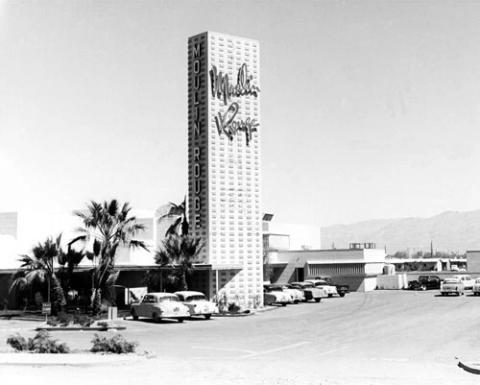
The Showdown at the Moulin Rouge
In a scene straight out of a movie, city officials and casino owners scrambled to meet with Black leaders just hours before the protest was set to begin. They chose a symbolic neutral ground: the Moulin Rouge Hotel.
Though it was closed at the time, the Moulin Rouge had been the city’s first racially integrated casino during its brief, legendary run in 1955. In that smoky room, a "gentleman’s agreement" was struck:
* Total Desegregation: Effective immediately, all Strip and Downtown hotels would open their doors to Black patrons.
* Dignity for Performers: The "back door" rule was abolished. Black entertainers could finally stay in the hotels where they performed.
The "Monday Morning" Reality
When Monday arrived, the agreement was put to the test. Black locals walked into the Sands and the Stardust—some for the first time in their lives—and were served. The "Mississippi of the West" hadn't just bent; it had broken.
A Legacy of Courage
While the Moulin Rouge Agreement opened the doors for patrons, it took another decade of legal battles to ensure Black workers could hold high-paying jobs as dealers and managers. However, that midnight meeting remains the most pivotal moment in Vegas history.
Today, the original Moulin Rouge is gone, but its spirit lives on in the Neon Museum and the stories of the activists who refused to let the "Glitter Gulch" stay dimmed by prejudice.